Karatu Town Tour
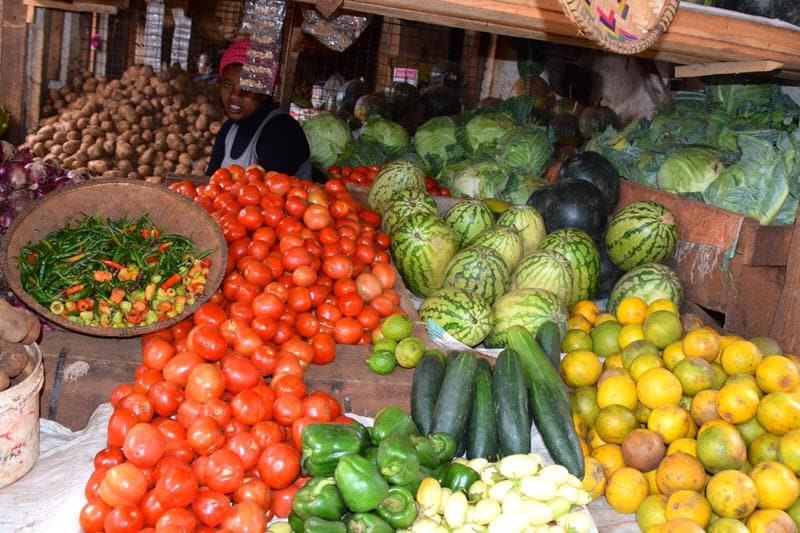
A great way to spend a couple of hours is to take a stroll around the town of Karatu. Visit the marketplace where you can explore rainbow-colored stalls and small shops that sell a bit of everything from vegetables and spices to Tinga Tinga paintings and carved wooden ornaments. This is a great place to barter for souvenirs and mingle with the locals.
Along the way you might want to stop at a street vendor for a local snack such as fried cassava, chapati (fried flat bread), or fried bananas. I’d stick to cooked hot items for food safety reasons.
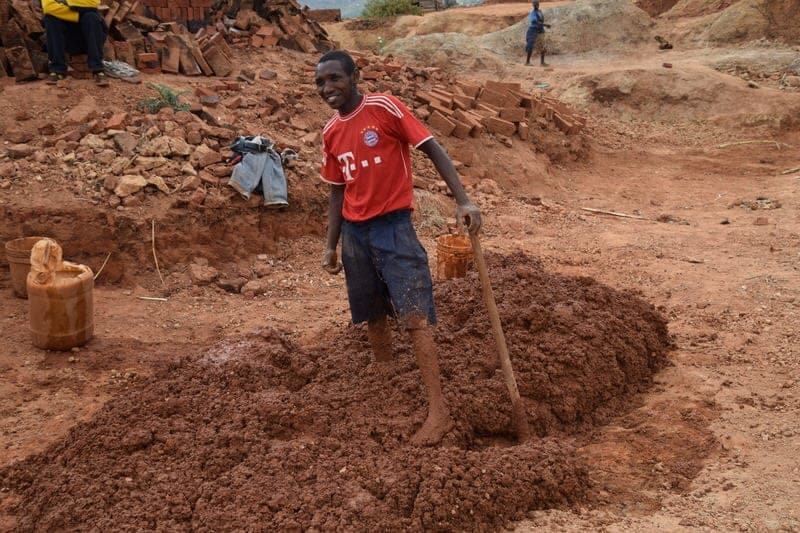
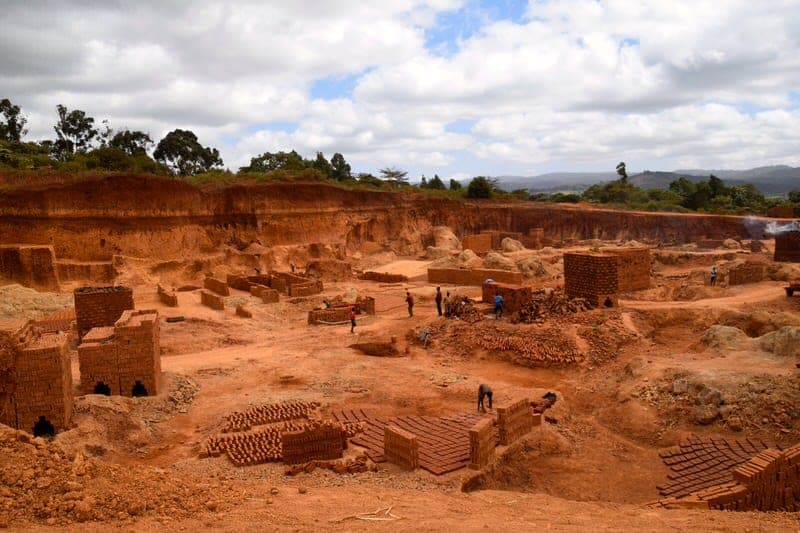
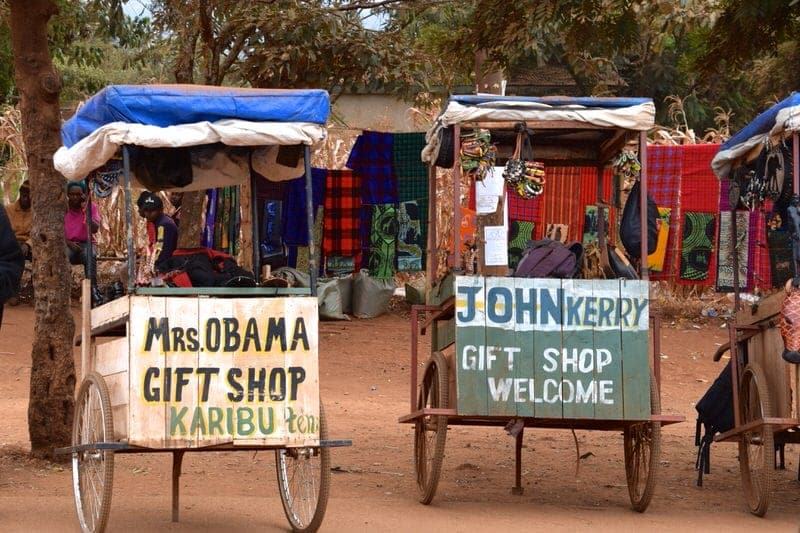
Keep a look out for the little mobile kiosks alongside the main road which have some colorful American namesakes such as the Mrs. Obama and John Kerry gift shops (there is also a Obama Hotel in town) which were featured in the The Amazing Race. In addition to the marketplace, we’d recommend venturing to one of the local brickmaking sites as brickmaking serves as a major industry in the area and the process is interesting to watch.
If you are interested in a richer exploration of the town, consider booking a guided tour which can likely be arranged from your hotel or through the Ganako Karatu Cultural Tourism Program.
Drink the local coffee
Tanzanian coffee may not have the international notoriety of coffee from neighboring countries like Ethiopia and Kenya, but coffee has been grown in Tanzania for centuries and is one of the country’s most important exports. Karatu is an ideal growing area due to its mineral-rich volcanic soil and the high altitude of the northern highlands
There are a number of coffee plantations in the area, including the plantation of the famous Gibb’s Farm. You can decide for yourself the extent to which you are interested in the local brew, whether you simply have a sip of coffee at your lodge, buy a bag of beans to take home, visit a coffee plantation to learn about the process of coffee production, or even stay overnight at a working farm and coffee estate.
Visit a Local Brewery
Travelers should try the local coffee while in Karatu; however, we also found out that Karatu has another type of brew for those wanting to be a bit more adventurous. It is probably best to visit with a guide but almost any local can also point you towards the brewery if you want to explore on your own.
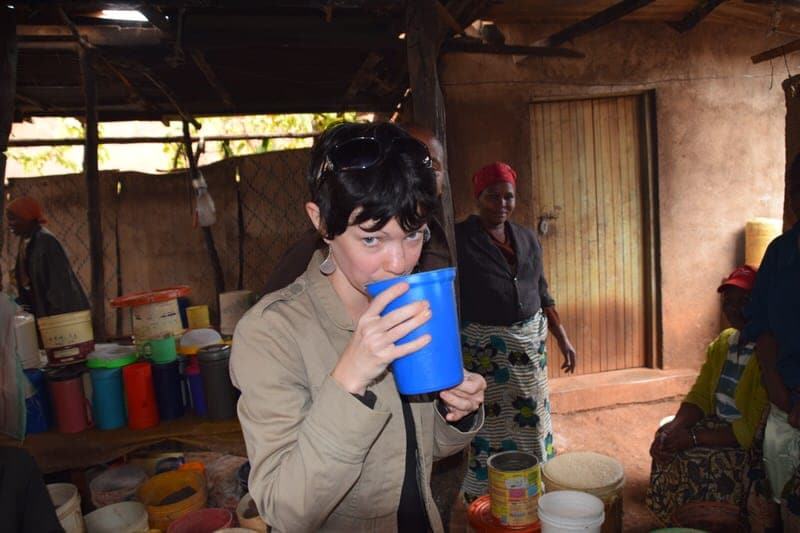
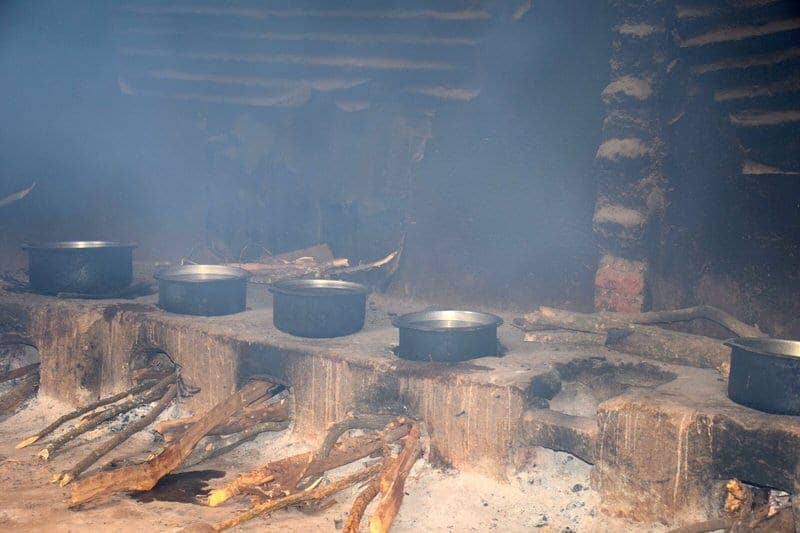
Our guides will take you away from the market and through a maze of streets to the local brewery. The beer is boiled in one smoky room and stirred, fermented, bottled, and drank in another large room. For less than a dollar, you are welcome to sample a cup of the beer

Explore the Karatu Iraqw Market
On the seventh day of each month a large market springs up in Karatu with a smaller version also taking place on the 25th of each month. This bimonthly market with local Iraqw vendors sells handicrafts, livestock, food, spices, clothing, household goods, pottery, and other items.
A visit to the market is a great opportunity to pick up some unique souvenirs and stretch your legs. If your visit doesn’t correspond with the dates of the market, you can still visit the marketplace in Karatu town.
Learn about the Iraqw culture
The Iraqw people are a Cushitic-speaking ethnic group who are well-known for their agricultural skills. The Iraqw have a large presence in the Karatu region and you can learn more about the Iraqw culture by interacting at the local markets, visiting a village, or even arranging a homestay. Take a hiking tour with Richard at Ganako-Karatu to an area studded with small Iraqw villages, farms, and homes just outside of Karatu.
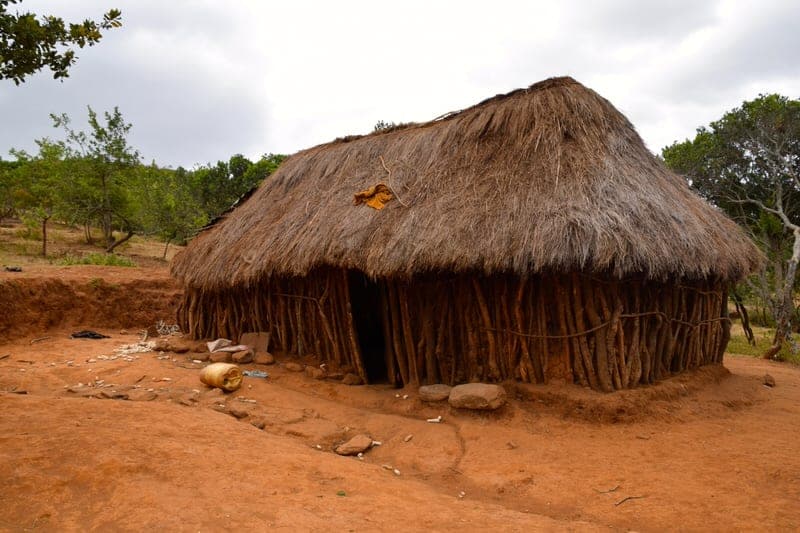
While many Iraqw now live in more modern housing, some Iraqw still live in traditional Iraqw houses made of mud, sticks, and straw. Historically, the Iraqw and Maasai were warring tribes (there is still some animosity between some members of these groups) and the Iraqw devised a way to keep the Maasai from being able to steal their cattle by building their homes up against hillsides and keeping the animals inside the home. At night Maasai raiders would not be able to locate the homes or animal pens as they’d walk right along the roofs without realizing the Iraqw were dwelling inside with their goats and cattle.
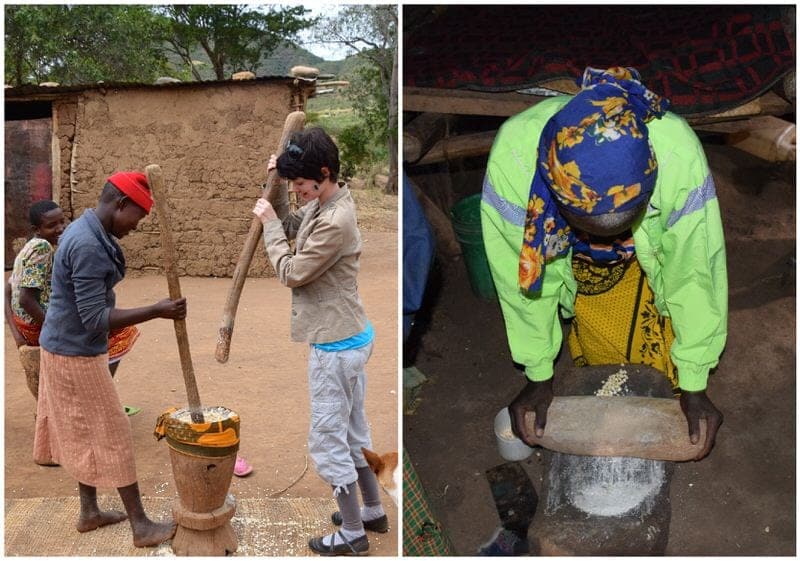
Along the hike we were able to see some of the traditional homes, meet some locals tending to their animals and crops, and even got to both try our hands at grinding and pounding maize.
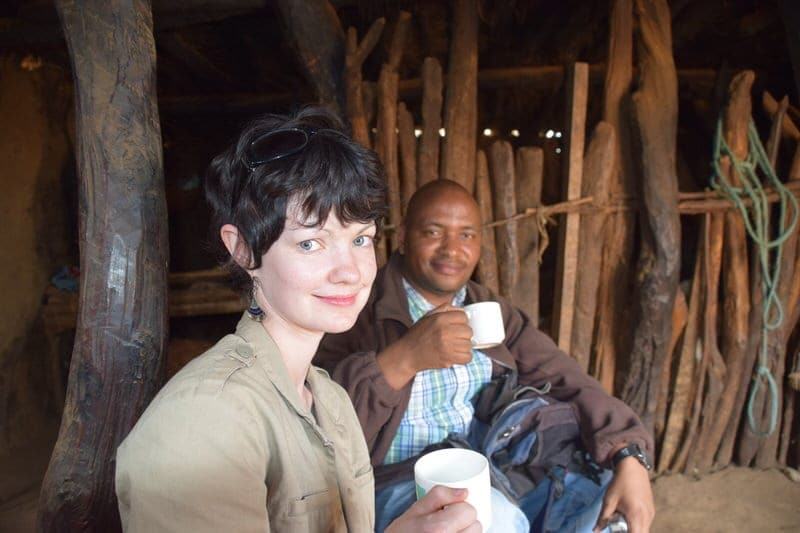
Chickens, goats, and dog walk in and out of the home with a goat pen located in the center of the home and a cattle pen outside. It was very humbling to see how simply the family lives and it is clear that they sometimes struggle to be able to feed and clothe themselves.
If you visit a homestead, it is appreciated if you leave a small monetary (preferably in Tanzanian shillings) or food donation to the visited family if you enjoyed their hospitality.